Benefits of Drinking Clean Water: Why What’s in Your Glass Matters

Benefits of Drinking Clean Water: Why What’s in Your Glass Matters
Benefits of Drinking Clean Water: Why What’s in Your Glass Matters

Water is the most fundamental thing you put into your body every single day. Yet most people take it for granted — grabbing whatever is cheapest, or not drinking nearly enough of it. Here’s the truth: not all water is equal, and drinking clean water consistently is one of the highest-leverage health habits you can build. It costs almost nothing, requires no special equipment or gym membership, and the benefits are backed by decades of science.

This post breaks down exactly what clean water does for your body — from the obvious to the surprising.


What Do We Mean by “Clean Water”?

Clean water is free from harmful contaminants — bacteria, viruses, heavy metals (like lead and arsenic), pesticides, industrial chemicals, and excess minerals. In Kenya and much of the developing world, the distinction between clean and contaminated water is not always visible to the naked eye; water can look perfectly clear and still harbor dangerous pathogens or chemicals. That’s why source, treatment, and certification matter.

When we talk about the benefits of clean water, we’re really talking about the compounded advantage of consistent hydration without the burden of toxic exposure.


10 Powerful Benefits of Drinking Clean Water Daily


1. 💧 Keeps Your Body Properly Hydrated

The human body is roughly 60% water. Every major system — circulation, digestion, temperature regulation, waste removal — depends on adequate hydration. Clean water supports all of these functions simultaneously: it carries oxygen and nutrients to cells, protects tissues and organs, lubricates joints, and helps regulate body temperature. Even mild dehydration (as little as 1–2% fluid loss) can impair physical performance and cognitive function. Consistently drinking clean water ensures your body has the fluid it needs to operate at its best.


2. 🧠 Sharpens Mental Focus and Concentration

The brain is particularly sensitive to hydration levels. When you’re even slightly dehydrated, you may notice difficulty concentrating, slower reaction times, brain fog, and mood swings. Studies have consistently shown that staying well-hydrated improves memory, attention span, and overall cognitive performance. For students, professionals, and anyone doing mentally demanding work, clean water is arguably the cheapest “nootropic” available.


3. ⚡ Boosts Energy Levels and Reduces Fatigue

Feeling sluggish mid-afternoon? Before you reach for a second coffee, drink a glass of water. Dehydration is one of the most common — and most overlooked — causes of tiredness and low energy. Clean water aids oxygen flow in the blood, which directly supports cellular energy production. Staying consistently hydrated helps maintain stamina throughout the day, both physically and mentally.


4. 🫘 Supports Kidney Health and Detoxification

Your kidneys filter around 200 litres of blood every day, removing waste products and excess substances through urine. They can only do this effectively when you’re well-hydrated. Drinking adequate clean water helps flush toxins from the body, reduces the concentration of minerals in the urinary tract, and significantly lowers the risk of kidney stones and urinary tract infections (UTIs). Contaminated water, on the other hand, adds to the kidney’s toxic burden — heavy metals in particular can accumulate over time and cause serious organ damage.


5. 🦠 Prevents Waterborne Diseases

This benefit is especially critical in Kenya and across Africa, where waterborne illnesses remain a major public health challenge. Contaminated water is a primary vehicle for cholera, typhoid, dysentery, hepatitis A, and a host of other illnesses caused by bacteria, viruses, and parasites. Access to clean, safe drinking water dramatically cuts the risk of these diseases, saving lives — particularly among children under five, who are most vulnerable to severe dehydration from diarrheal illness.


6. 🫀 Supports Heart Health

Adequate hydration helps maintain healthy blood viscosity — essentially, how thick or thin your blood is. When you’re chronically dehydrated, your blood becomes thicker, forcing your heart to work harder to pump it through your arteries. Over time, this extra strain increases the risk of cardiovascular complications. Drinking enough clean water daily keeps your blood flowing smoothly and supports long-term heart health.


7. ✨ Promotes Healthier, Clearer Skin

Your skin is the body’s largest organ, and it reflects your internal health more visibly than almost anything else. Drinking sufficient clean water helps maintain skin elasticity, reduce the appearance of fine lines, and prevent dryness and dullness. Clean water also assists in flushing out toxins that, when they accumulate, can contribute to breakouts and uneven skin tone. People who are chronically dehydrated often have noticeably dull, dry, or aged-looking skin. Consistent hydration is one of the simplest (and most affordable) skincare routines you can adopt.


8. 🏃 Enhances Physical Performance

Whether you’re running a 5K, training at the gym, or doing physical labour, your muscles need water to function efficiently. Water regulates body temperature during exertion (through sweating), lubricates joints to reduce friction and injury risk, and helps transport nutrients and oxygen to working muscles. Dehydration during physical activity leads to muscle cramps, reduced endurance, overheating, and longer recovery times. Athletes and active individuals should be particularly intentional about drinking clean water before, during, and after exercise.


9. 🌿 Aids Digestion and Prevents Constipation

Water plays a central role in the digestive process — from breaking down food in the stomach, to transporting nutrients across the intestinal wall, to softening stool for easy passage. Inadequate water intake is one of the leading causes of constipation. Drinking clean water consistently keeps your digestive system moving smoothly, reduces bloating, and supports a healthy gut microbiome.


10. 🛡️ Protects Children and Vulnerable Groups

Children, pregnant women, the elderly, and people with compromised immune systems face disproportionate risk from contaminated water. For children, exposure to lead or other heavy metals through unclean water can impair brain development and cause long-term behavioral and cognitive problems. For pregnant women, contaminated water has been linked to complications including preterm delivery and low birth weight. Ensuring access to clean water is not just a personal health choice — it’s a public health imperative with generational consequences.


What Happens When You Don’t Drink Clean Water?

The risks of contaminated water go far beyond an upset stomach. Long-term exposure to polluted water can cause:

  • Neurological damage — from heavy metals like lead and mercury
  • Hormonal disruption — from pesticides and industrial chemicals
  • Chronic digestive illness — from bacterial and parasitic infections
  • Increased cancer risk — from arsenic, nitrates, and certain chemical pollutants
  • Weakened immune function — from constant low-grade toxic exposure

In Kenya, millions of people still rely on unsafe water sources. The economic cost of waterborne illness — in lost work days, medical bills, and reduced productivity — is enormous.


How Much Clean Water Should You Drink Per Day?

The commonly cited guideline is 8 glasses (about 2 litres) per day, but your actual needs vary depending on:

FactorIncreases Water Needs
Hot climate / high humidity✅ Yes
Physical activity / exercise✅ Yes
Pregnancy or breastfeeding✅ Yes
High-fibre diet✅ Yes
Illness (fever, diarrhoea, vomiting)✅ Yes

A simple self-check: if your urine is pale yellow, you’re well-hydrated. Dark yellow or amber urine is a sign you need to drink more.


Practical Tips to Drink More Clean Water Daily

  • Start your morning with a glass of water before coffee or tea
  • Carry a reusable water bottle wherever you go
  • Set hourly reminders on your phone if you tend to forget
  • Infuse your water with lemon, cucumber, or mint if plain water feels boring
  • Eat water-rich foods like watermelon, cucumber, oranges, and tomatoes
  • Choose certified bottled water (look for the KEBS mark in Kenya) when tap water quality is uncertain

Clean Water Is Not a Luxury — It’s a Right

In 2010, the United Nations officially recognized access to safe and clean drinking water as a fundamental human right. The UN’s Sustainable Development Goal 6 calls for universal access to safe drinking water for all people by 2030. Yet billions of people worldwide still lack this basic right.

In Kenya, urban residents have better access than rural communities, but water quality remains a concern across the country. Whether you’re using a home filtration system, buying certified bottled water, or boiling your water before drinking — the choice to prioritise clean water is an investment in your long-term health, productivity, and quality of life.


The Bottom Line

Clean water is not just hydration. It’s brain fuel, a skin treatment, a digestive aid, a kidney protector, a disease shield, and an energy booster — all in one. The science is clear and the logic is simple: a body given clean water consistently performs better in every measurable way.

You don’t need an expensive supplement stack. You don’t need a complicated wellness routine. You just need to drink enough clean water, every single day.

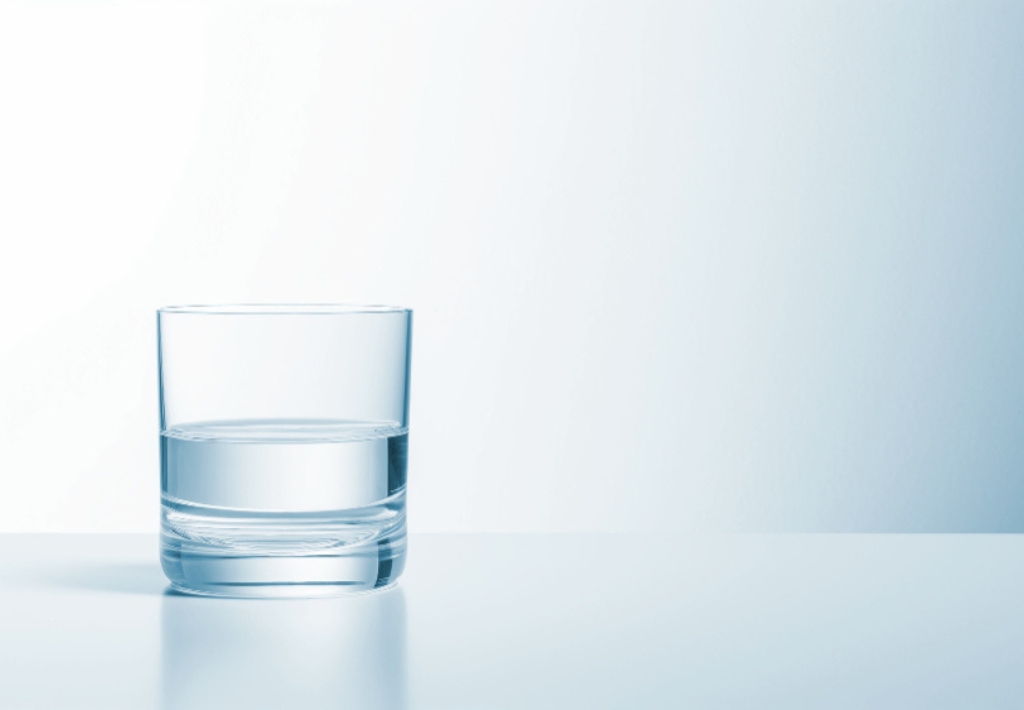
Start with the glass in your hand. Make sure what’s in it is clean.


💧 Related: Best Bottled Water Brands in Kenya — a complete guide to the most trusted brands on the Kenyan market.